There are things about the Lebanese Red Cross that are difficult to explain unless you have lived them from the inside.
From the outside, people usually see the ambulance, the uniform, the siren, and the rescuers arriving when something goes wrong. What they do not always see is everything behind that moment.
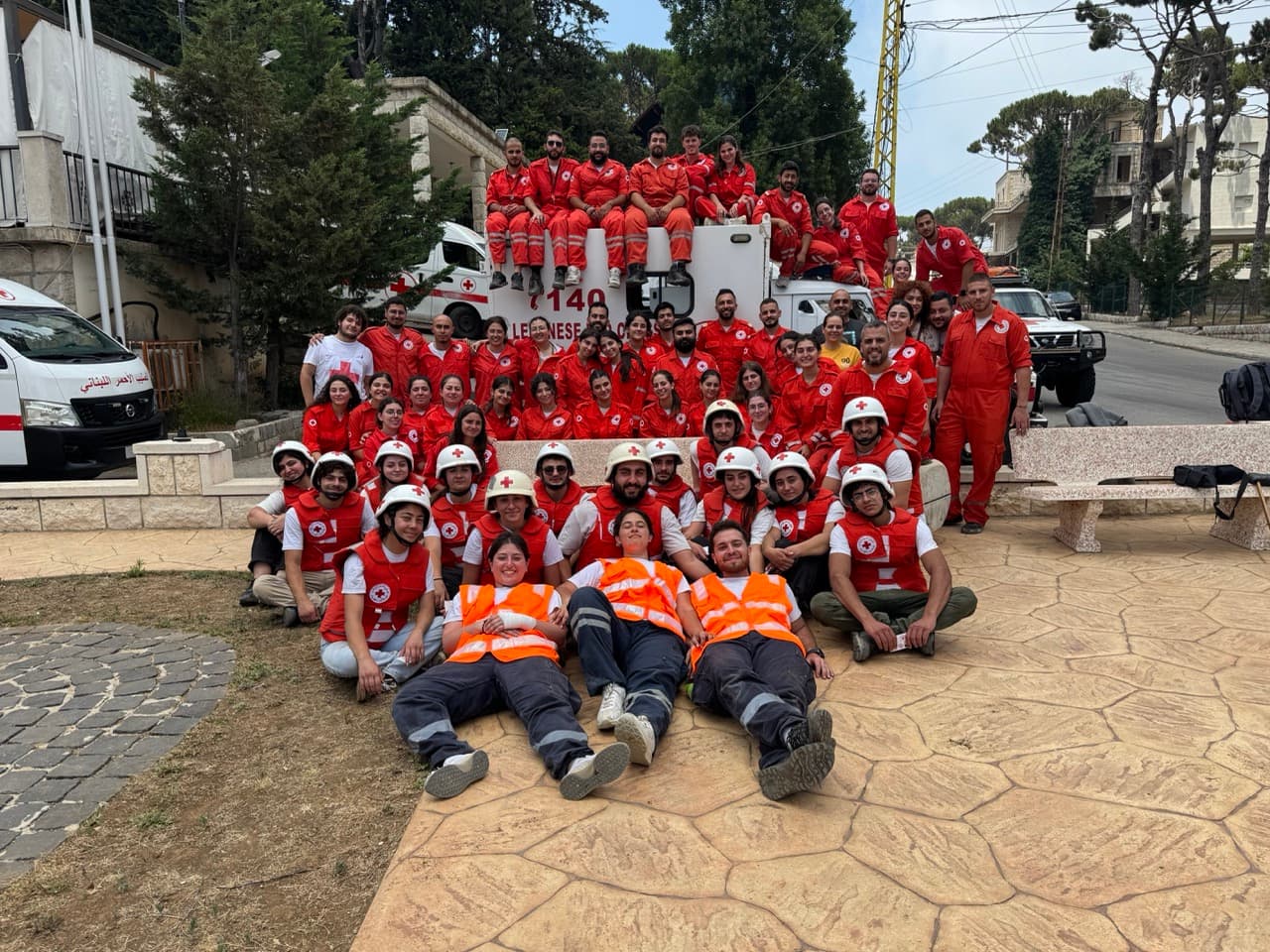
At Bolonia Center, our rescuers come from different villages, different backgrounds, and different daily lives. Some are students, some work full-time, some have families waiting for them at home. Yet when the phone rings, all of that is temporarily put aside.
The area we cover is not small or easy. Bolonia and its surroundings stretch across a large mountainous region, with dozens of villages, long roads, difficult weather, and places that can take time to reach. A mission at night in winter is very different from an ambulance call in the city. Sometimes the road itself becomes part of the emergency.
Still, our teams are there every day and every night.
What I respect most is not the uniform or the title of rescuer. It is the commitment behind it. These volunteers give hours that no one counts. They leave dinners, family gatherings, work, sleep, and weekends. They spend nights at the center waiting for a call that may come at 2:00 in the morning, and when it comes, they get up and go.
There is nothing glamorous about many of these missions.
Sometimes it is an accident. Sometimes an elderly person needs urgent transport. Sometimes it is a wound that needs care. Sometimes we arrive at a house where a family is simply scared and does not know what to do.
For the person calling us, it may be one of the worst moments of their year. For the rescuers, it may be the third mission of the night.
And they still have to stay focused.
This is what makes the Lebanese Red Cross special to me. It is not only an organization or a fleet of ambulances. It is thousands of people who have decided that, when somebody they may not even know needs help, they will show up.
At Bolonia Center, I have had the chance to see this closely.
I have seen rescuers exhausted after long nights and still preparing the ambulance for the next team. I have seen volunteers helping maintain equipment, organize the station, train younger members, clean ambulances and solve problems that most people will never hear about.
I have also seen difficult moments.
Being a rescuer means accepting that not every mission ends the way you want it to. Some calls stay with you. Some people you meet are never forgotten. And sometimes the risks are much closer than people imagine.
Yet the next day, the station opens again.
The ambulances are checked.
The teams are ready.
And life continues.
I think this is why I have such respect for our rescuers. Not because they are fearless. They are human. They get tired, frustrated, worried and sometimes overwhelmed like everyone else.
What matters is that they continue to serve.
The Lebanese Red Cross exists because people trust that when they call, someone will answer. Maintaining that trust takes much more than an ambulance and a phone number. It takes training, discipline, equipment, funding, teamwork and, above all, volunteers willing to give a part of their lives to this mission.
At Bolonia Center, I am proud of what our teams do every day.
Not because everything is perfect. It never is.
But because behind every mission number there is a real person who needed help, and a team of volunteers who decided to go.
That, for me, is what the Red Cross is really about.